Decide your size tolerance first, since it points to the process: molds hold a total error of 1 to 2 mm and fully hand-blown shades about 5 mm (SIGA workshop estimate, 2026). Then send a drawing a mold maker can read, confirm the sample from photos, pay 50% down and arrange freight ex-works. The minimum is 20 pieces per design (SIGA production data, 2026).
- Tolerance decides the process: a strict tolerance calls for a mold, and a shape that may vary suits fully hand-blown glass (SIGA process advice, 2026).
- First inquiries most often leave out four details: quantity, size, tolerance and color (SIGA, 2026).
- You confirm the sample from photos, and bulk production starts only after you do (SIGA, 2026).
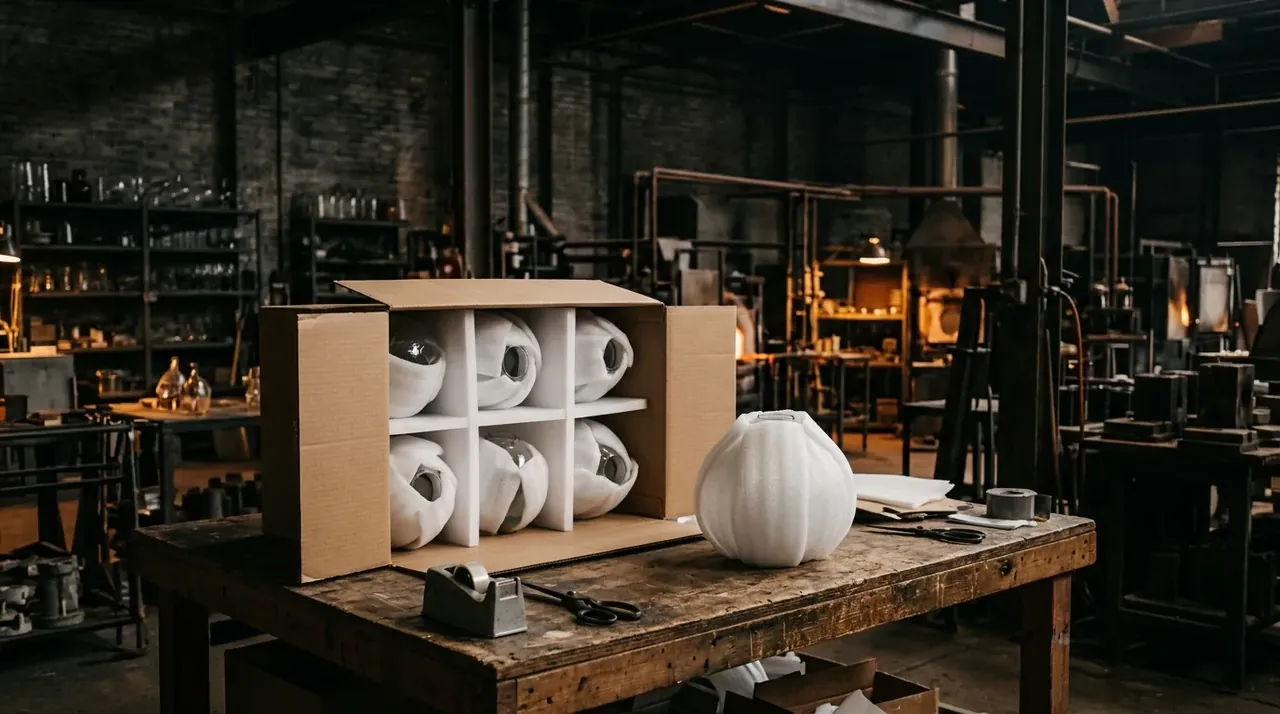
- Shades are packed in foam of 8 kg per cubic meter, and damage is unusual unless the shipment is handled roughly (SIGA packing practice, 2026).
Tolerance is the amount a finished dimension may differ from the drawing and still be accepted.
Semi hand-blown glass is glass that a worker blows into a mold, so the shape repeats from the first piece to the last.
Ex-works (EXW) is an Incoterms rule under which the seller makes the goods available at its own premises, and the buyer loads them and handles export clearance (ICC Academy).
SIGA Glass has made hand-blown glass in Zibo, China, since 1990, which is 36 years in 2026 (SIGA, 2026). Our first inquiries tend to leave out the same few details, and those details decide which process fits, whether a mold is needed and what the quote looks like. So this guide starts with what to settle before you write to any glass factory, then follows an order from sample to shipment.
What should I decide before I ask for a quote?
Decide how strict your size requirements are, and whether the shape is allowed to vary. Our advice follows from this: strict size and tolerance call for a mold, and a shape that may vary suits fully hand-blown (SIGA process advice, 2026).
Four details go missing from first inquiries more than any others: the quantity, the size, the tolerance you need and the color (SIGA, 2026). The minimum is 20 pieces per design, so state the quantity (SIGA production data, 2026). The size needs three numbers: the diameter, the height and the opening. Our size chart shows how to measure each one. For color, send a Pantone or RAL code, or a photo of something in the color you want.
Each of these details has its own guide: how to specify the shade and its drawing, clear, tinted or milk glass, soda-lime vs borosilicate glass, E26 or E27 lamp holders and fluted and ribbed shades. If you want to see a shade first, you can request a sample, and our custom OEM page shows the full brief.
How does tolerance decide between hand-blown and mold-blown shades?
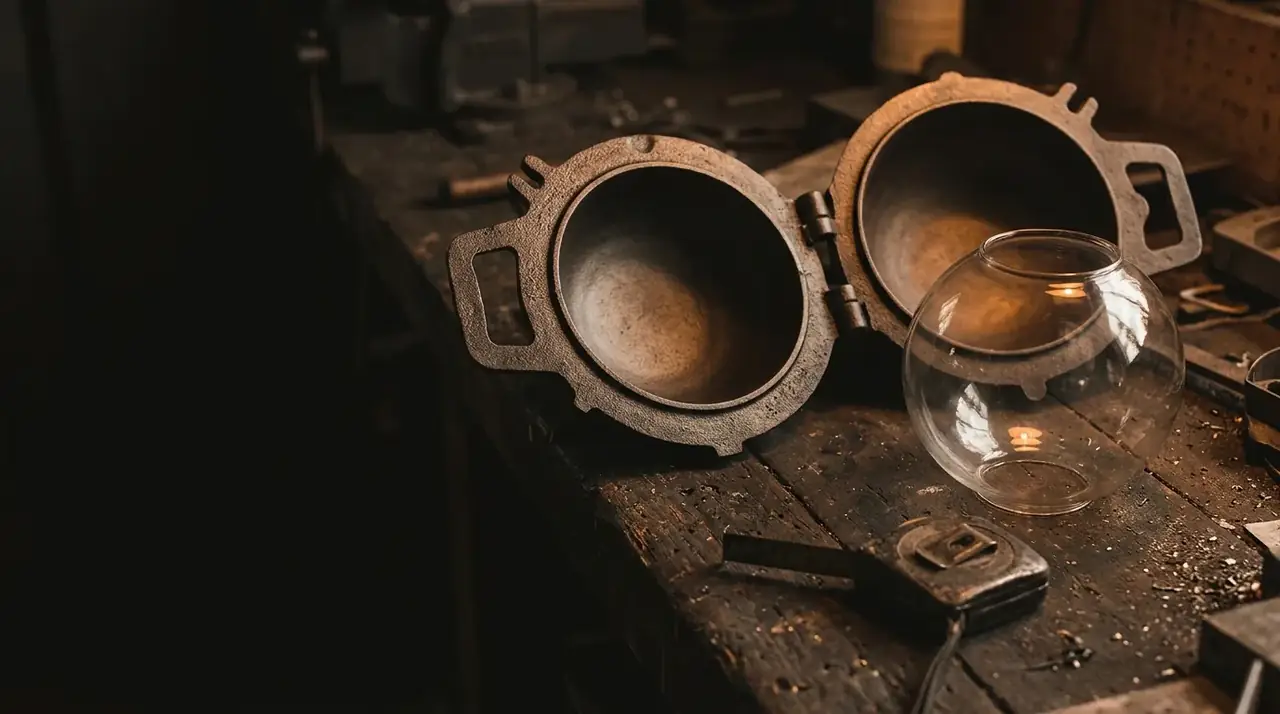
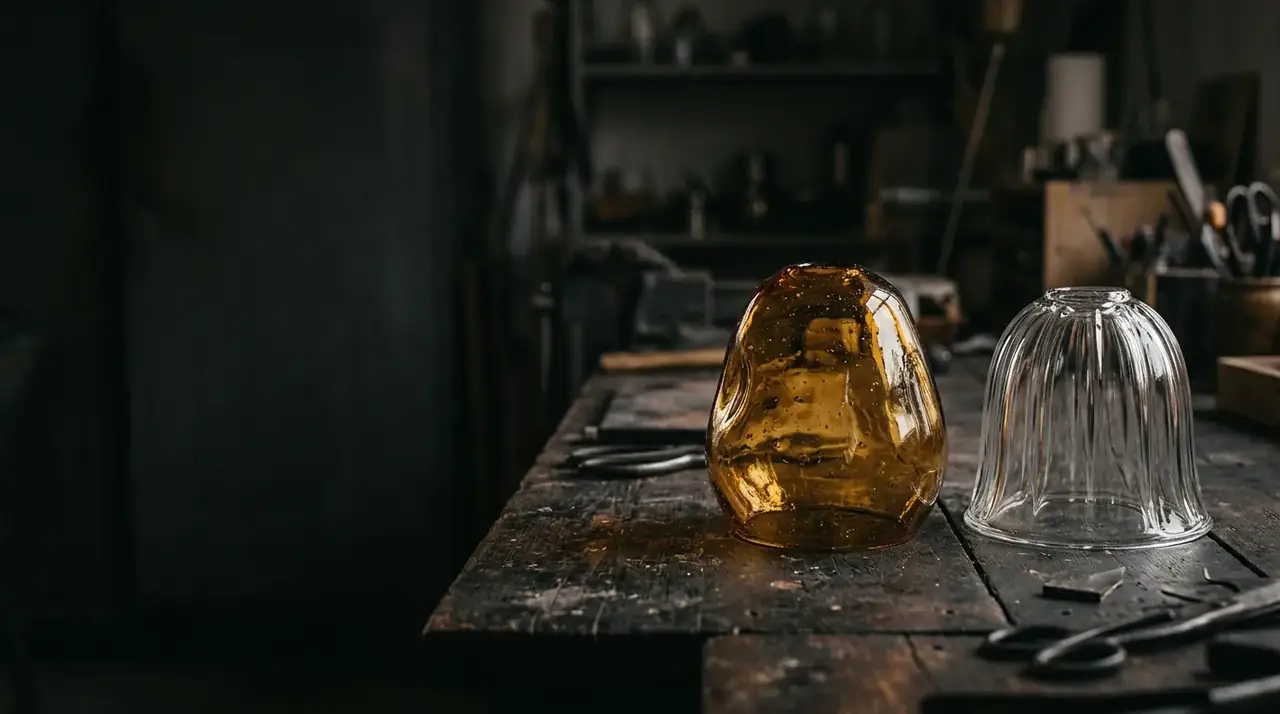
When size and tolerance are strict, we recommend a mold. A mold repeats the same shape on every piece, and shades blown in our molds run with a total error of 1 to 2 mm. Fully hand-blown shades are shaped by a blower, so their total error is about 5 mm (SIGA workshop estimate, 2026). The comparison of the two processes explains what total error means and how it is measured. If you accept a more individual shape, fully hand-blown glass works, and no mold is needed. Our glass pendant light shades page shows how the two processes look as finished pendants.
Size limits differ as well. Fully hand-blown shades go up to 60 cm long and 40 cm wide, and semi hand-blown shades go up to 60 cm in diameter (SIGA production data, 2026). Our molds hold a total error of 1 to 2 mm; if you need tighter, say so in your first message so we can confirm whether we are the right supplier. The comparison of hand-blown and mold-blown shades sets the two processes side by side.
What makes a good drawing?
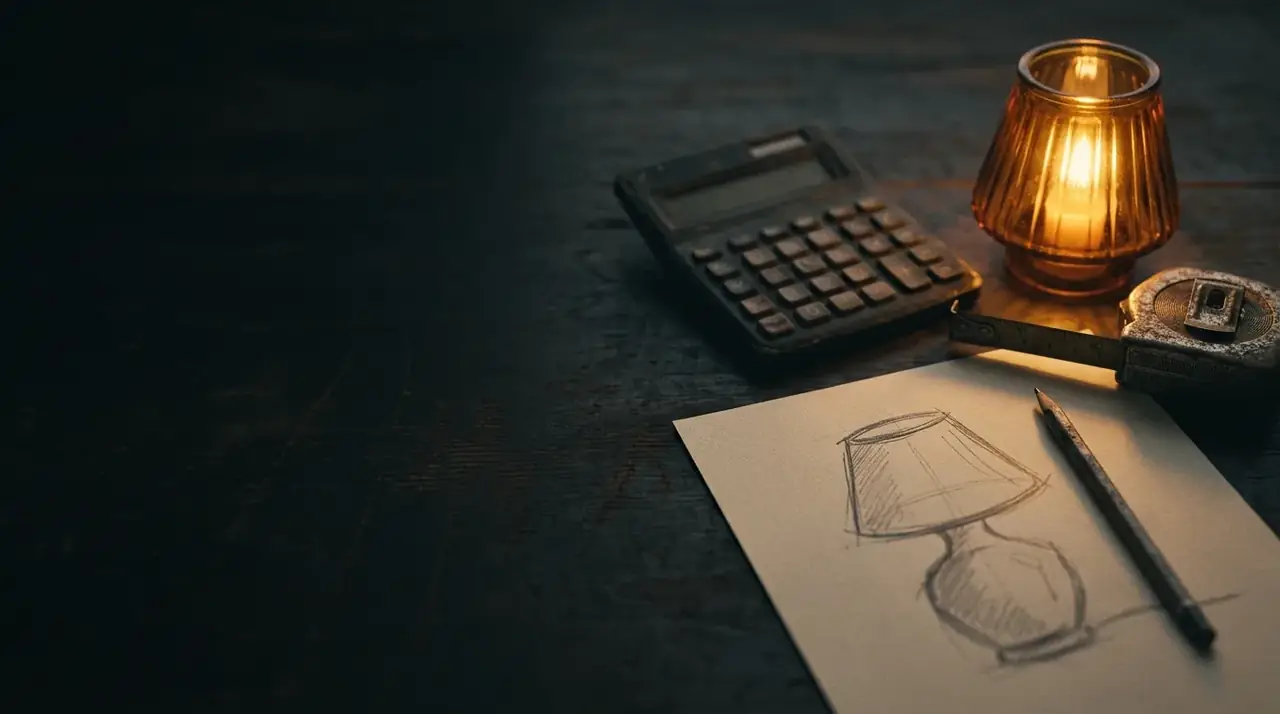
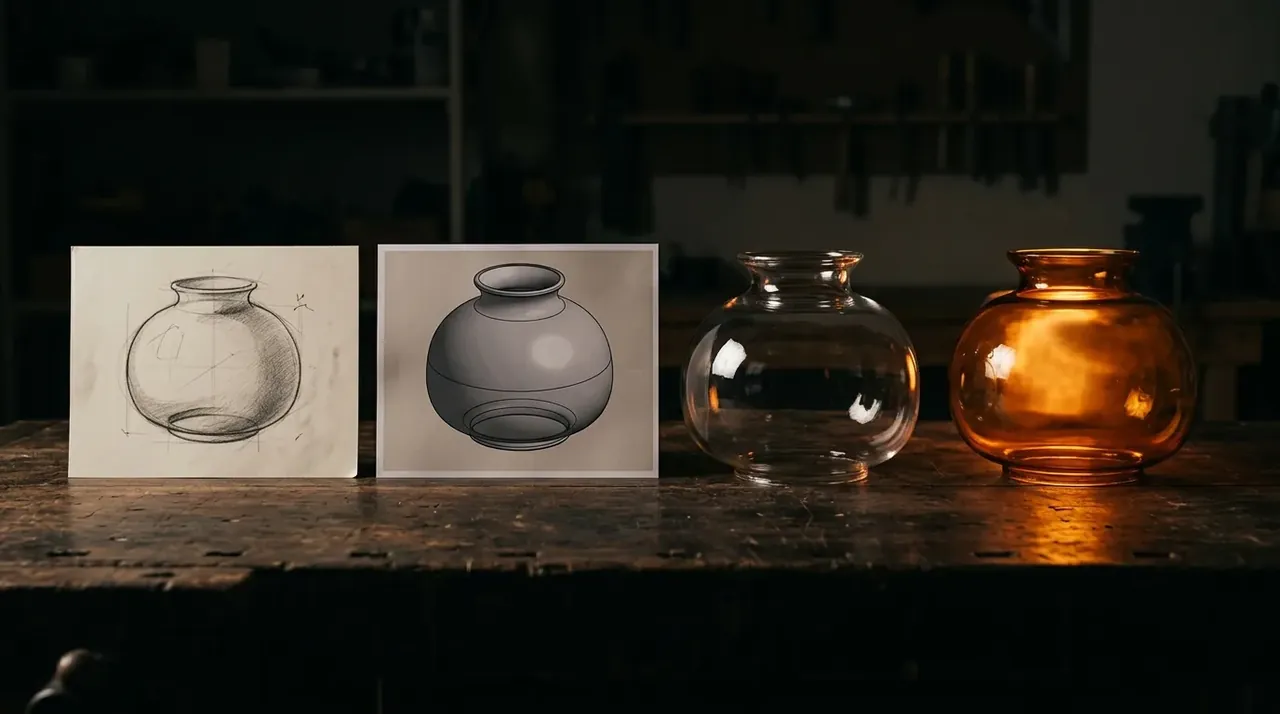
A good drawing is one a mold maker can read and use. That means the shape, the three size numbers, the tolerance you need, the color and the fitting are all on it or attached to it. Write the tolerance as a number, using the ranges in the process section of this guide. If you don't have a finished drawing, send a hand sketch with the diameter, height and opening; a photo or reference shade can be added to show the look. We do not prepare the drawing for you, so the drawing or sketch comes from your side (SIGA, 2026). The fitting guide lists what to add if the shade must fit a specific lamp holder.
How do the sample and the mold work?
We build the sample to your drawing, send you photos or video, ship a physical sample if you ask for one, and start bulk production only after you confirm it (SIGA, 2026). Because the sample follows the drawing, it needs further changes only when you ask for them. Look at the sample photos before production starts.
The working time adds up from the confirmed lead times, as the table shows. Both totals exclude your approval time and freight (SIGA production data, 2026). Payment is 50% down by bank transfer and the balance before shipment. The cost guide explains who pays for the mold and the sample, and the ordering page has the lead-time table.
| Route | Steps | Total |
|---|---|---|
| Fully hand-blown | Sample 7 to 10 days, production 15 to 20 days | About 22 to 30 days |
| Molded | Mold 7 to 10 days, sample 7 to 10 days, production 15 to 20 days | About 29 to 40 days |
How are glass shades packed and shipped?
We pack shades in foam of 8 kg per cubic meter, and damage is unusual unless the shipment is handled roughly (SIGA packing practice, 2026). We also make a few extra pieces to cover breakage, and the cost guide sets out the replacement terms (SIGA terms, 2026).
Prices are ex-works, so you arrange export clearance and transport, using your own freight forwarder or one we introduce. We price the goods and the freight separately because freight is complicated to calculate and a separate quote is simpler for both sides (SIGA, 2026). The ICC's Incoterms rules and the US International Trade Administration's guide both set out who handles the shipment, export formalities and insurance under each rule. The ICC explains what ex-works leaves to the buyer, and if your project needs a tested pack, say so in your inquiry: ISTA publishes distribution test procedures for packaged products.
What can go wrong, and who should not order from us?
The problems we do see are sample changes that buyers ask for and breakage in transit, not trouble in the middle of production (SIGA, 2026). Both are easier to handle when the drawing is clear and the packing is agreed early.
Two kinds of order are not a fit for us. The orders we would advise against are those with excessively strict requirements, such as a total error tighter than our molds hold, so tell us your tolerance in the first message. We quote the goods ex-works and leave transport to you, so we are also a poor fit if you want a single delivered price that includes freight.
Settle the two earliest risks before the sample: the tolerance and the fitting. In our judgment, a wrong tolerance changes the process you should have chosen, and a wrong fitting changes the opening, so both can send you back to a new sample. Neither is a standard, and both are cheaper to settle on paper.
How do I check the order before it ships?
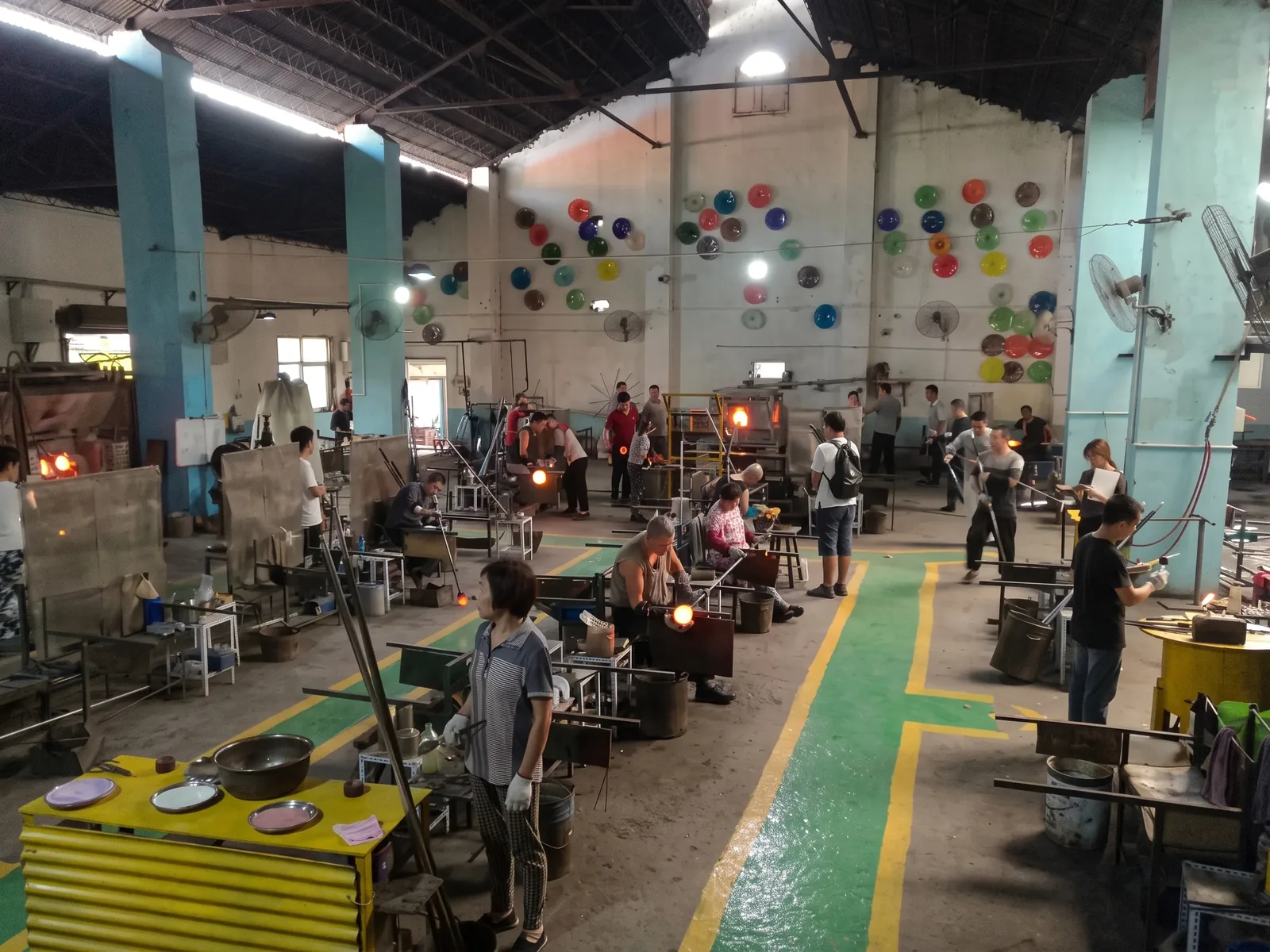
You confirm the sample from photos before production, and we check every order at five points before it is packed: the first piece, the bench, the annealed glass, the final inspection and photos or video of the finished batch. Your own inspector or a third-party company is welcome. The factory page lists each check, and our guide on how to inspect glass lamp shades before shipment shows what your own inspector should measure.
Suggested items to send with your first message, listed from the details that go missing most often.
| Done | Item | What to include |
|---|---|---|
| ☐ | Quantity | Pieces per design (minimum 20) |
| ☐ | Size | Diameter, height and opening size |
| ☐ | Tolerance | How much each dimension may differ from the drawing |
| ☐ | Color | Pantone or RAL code, or a photo |
| ☐ | Shape | Your drawing a mold maker can read, or a sketch; add a photo or reference shade if you have one |
| ☐ | Fitting | Holder drawing or photo, extra holes |
| ☐ | Shipping | Your forwarder, or ask for an introduction |
Sources and Further Reading
- ICC Academy: FCA and EXW Incoterms 2020 explained. The International Chamber of Commerce explains that under ex-works the seller makes the goods available at its premises and the buyer handles loading and export clearance. Checked 2026-10-17.
- ICC: Incoterms rules. The ICC overview of the rules, which clarify the tasks, costs and risks of delivery from sellers to buyers. Checked 2026-10-17.
- US International Trade Administration: Know Your Incoterms. A plain explanation of who manages the shipment, export formalities and insurance under each rule. Checked 2026-10-17.
- ISTA. A nonprofit that publishes test procedures for packaged products shipped through distribution. Checked 2026-10-17.
Frequently Asked Questions
What is the minimum order for custom glass lamp shades?
The minimum is 20 pieces per design, for fully hand-blown and semi hand-blown shades alike. It applies to each design, so name the quantity for every shape in your first message. Quantity is one of the four details most often missing from first inquiries (SIGA, 2026).
Do I always need a mold?
No. A fully hand-blown shade needs no mold. A mold is the better choice when size and tolerance are strict, because it repeats the shape: molded shades hold a total error of 1 to 2 mm, against about 5 mm for hand-blown ones (SIGA workshop estimate, 2026).
Can I check the sample before production starts?
Yes. We build the sample to your drawing and send photos, and bulk production starts only after you confirm it. Further changes are made only when you ask for them, so say what you want changed when you see the photos (SIGA, 2026).
What happens if shades break in transit?
We usually make a few extra pieces to cover breakage. If more shades arrive broken than the extra pieces cover, we replace them free of charge, and the customer pays the replacement shipping. The cost guide sets out the full terms (SIGA terms, 2026).
Send your drawing, quantity, size, tolerance and color, and we reply within 12 hours.
Contact our team