Agree in writing what counts as a defect, the sample size and the tolerance, then inspect after production is complete and before the goods leave. We check every order at five points before packing, and your own inspector or a third-party company is welcome (SIGA, 2026). Measure diameter and height against your tolerance, look at every piece and open a few cartons.
- ISO 2859-1 sets AQL-indexed sampling schemes for lot-by-lot inspection; its 2026 edition replaced the 1999 edition (ISO, 2026).
- For a single or isolated lot, ISO 2859-2 gives sampling plans indexed by limiting quality instead (ISO, 2020).
- We check the first piece, the bench, the annealed glass and the finished batch, and we send photos or video before packing (SIGA, 2026).
- Measure diameter and height against the tolerance you agreed in writing (SIGA, 2026).
Pre-shipment inspection (PSI) is a quality check done after production is complete and before the goods ship, against the buyer's specification and the order.
Acceptance quality limit (AQL) is the maximum average percentage of defective items considered acceptable during random sampling (ISO 2859-1:2026).
Annealing is the slow cooling of glass that relieves the stress left by shaping.
Glass is difficult to inspect from a photo, and a broken shade found at the customer's door costs far more than one found at the factory. This guide sets out what to agree before production, how a sampling inspection works, which checks we run ourselves and what your own inspector should look at.
What should I agree before production starts?
Agree three things in writing: what counts as a defect, how many pieces will be inspected and which tolerance applies. Cover the shades themselves, the quantity against the purchase order, the packing and the dimensions. Put each in the order, together with the approved sample, which is the reference for the batch (SIGA, 2026).
List the defects you will not accept. Ours are large or burst bubbles, stones and other impurities, cracks or stress, and obvious scratches or chips; small bubbles in hand-blown glass are a natural feature that we accept when they do not affect use or look (SIGA, 2026). State which features are intentional: some of our shades have trapped air bubbles or an uneven hammered surface by design, as on our clear bubble cylinder and clear hammered oval.
How does sampling inspection work?
Inspectors check a sample of the batch, not every piece, using an agreed plan. ISO 2859-1:2026 uses the AQL to set sample sizes and acceptance or rejection thresholds, and it switches between normal, tightened and reduced inspection over a series of lots. ISO 2859-2:2020 covers lots in isolation, such as a unique lot or a series too short for those switching rules. The 2026 edition of Part 1 replaced the 1999 edition, so check which edition an older contract names.
A first order from a new supplier is usually a lot in isolation, so ask your inspector whether Part 2 applies. Name the plan in the order so that both sides read the result the same way.
Which checks do we run ourselves?
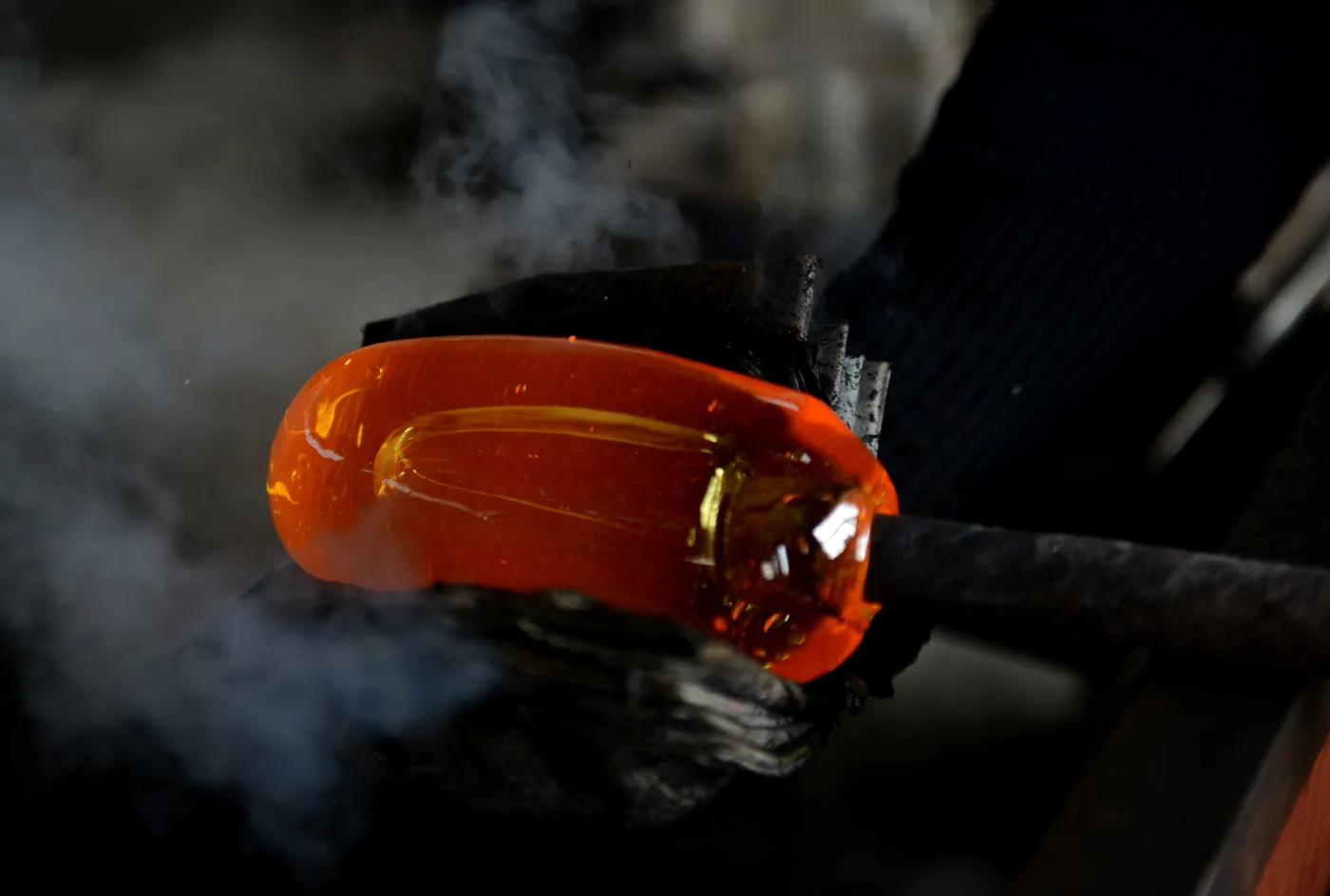
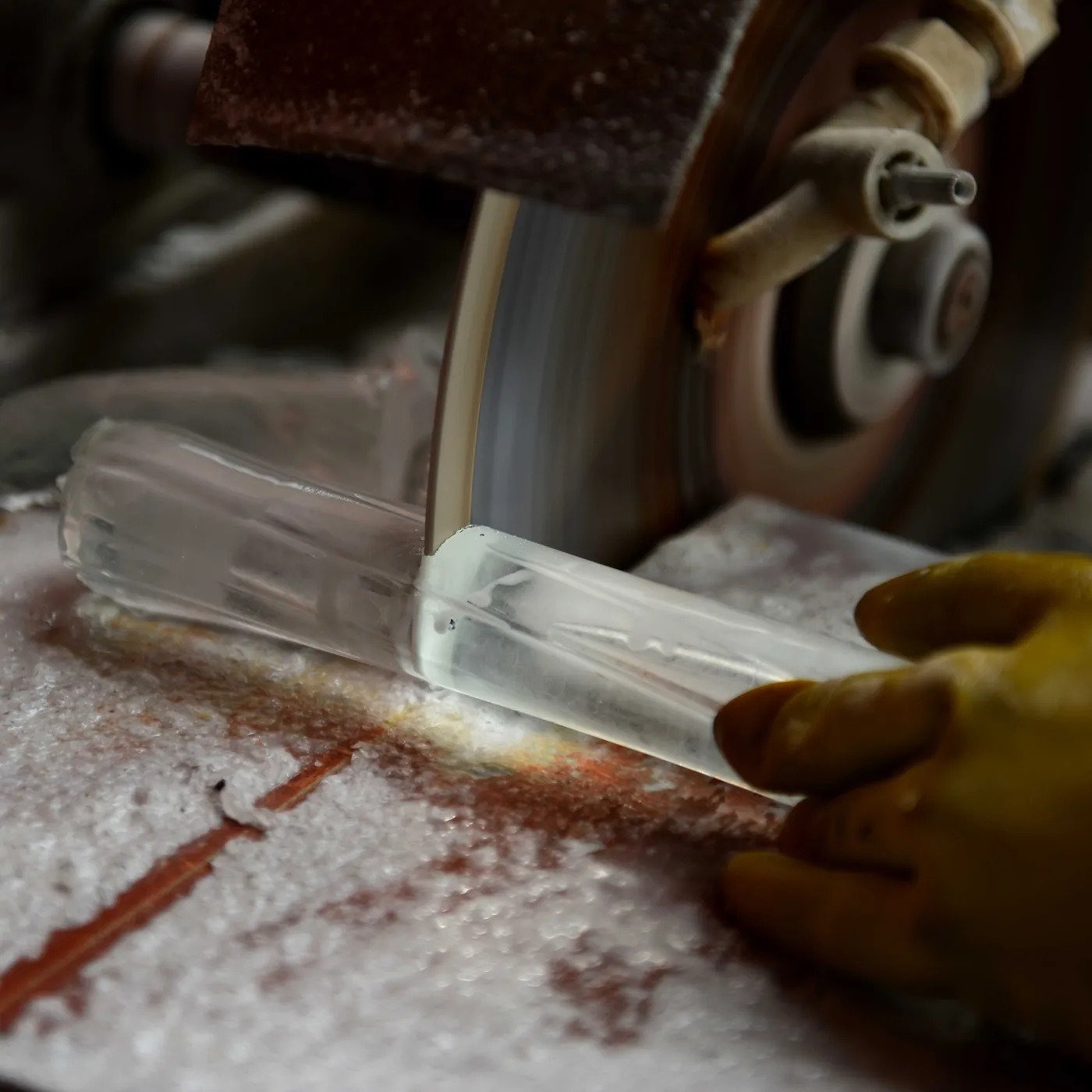
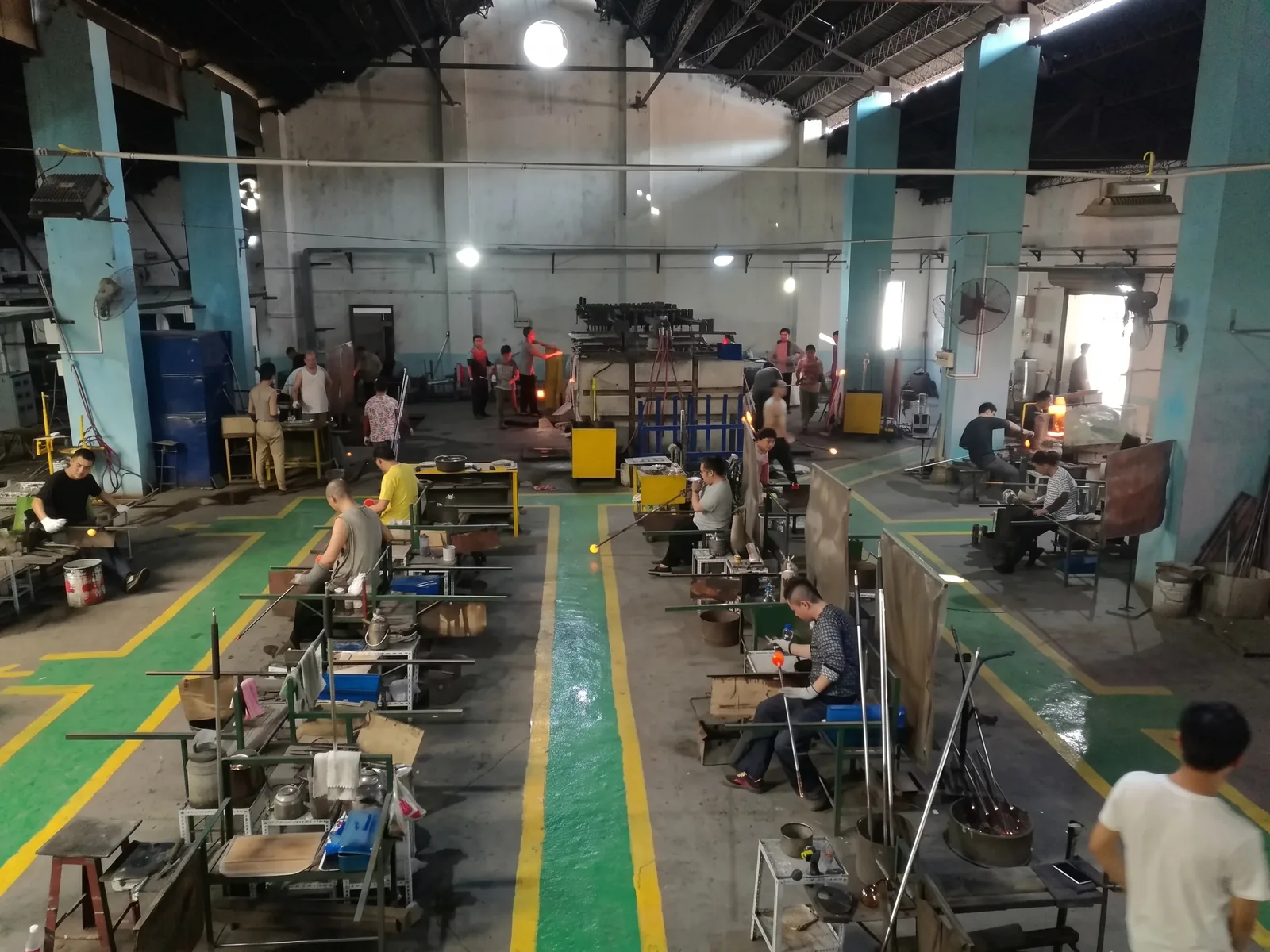
We run five checks before an order is packed: the first piece, the bench, the glass after annealing, a final inspection and photos or video of the finished batch (SIGA, 2026). In the final inspection, we look at every piece by eye and sample the sizes. Then we send photos or video before packing.
| Check | What it covers |
|---|---|
| 1 First piece | Compared with the approved sample for shape, color and size |
| 2 Bench | Shape checked against a gauge or template |
| 3 After annealing | Pieces checked for stress and cracks |
| 4 Final inspection | Every piece inspected under light; sizes sampled |
| 5 Photos or video | Sent to you before packing |
What should my inspector measure?
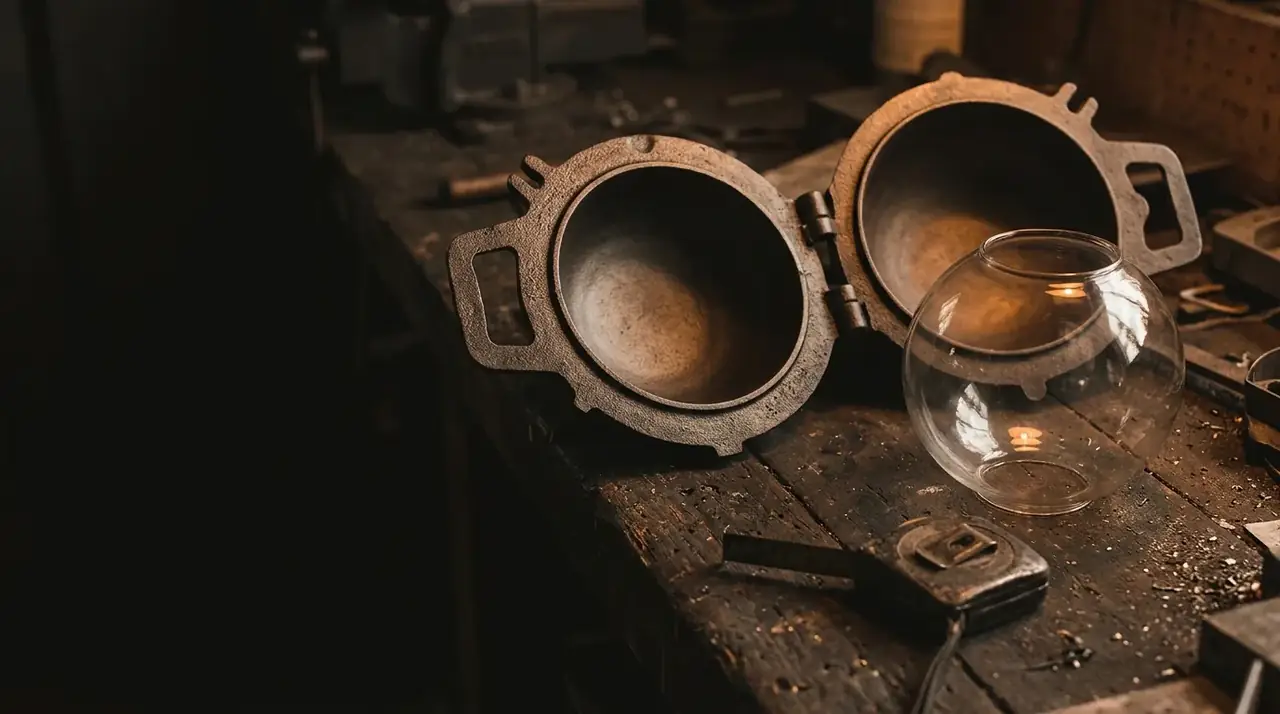
The inspector should measure the diameter and the height of a sample, and check the opening against your holder. The tolerance applies to diameter and height: shades from our molds hold a total error of 1 to 2 mm, and fully hand-blown shades about 5 mm (SIGA workshop estimate, 2026). For hand-blown shades, compare each piece with the approved sample as well, because each piece differs slightly. For round shades, our globe glass lamp shades page shows shapes where the diameter is the key measurement.
Check the color against the code or the approved sample, under the same light each time. Then open a few cartons and check the packing. We pack shades in foam of 8 kg per cubic meter (SIGA packing practice, 2026), and an inspector can check how the pieces sit in the foam. The ISTA publishes test procedures for packaged products, which you can name in the order if you want a packing standard. Our cost guide explains who pays when shades break in transit.
Who can inspect, and can I visit?
Your own inspector or a third-party inspection company is welcome, and qualified buyers can visit by appointment or ask for a live video tour (SIGA, 2026). The ICC's Incoterms rules set when risk passes from seller to buyer, so agree the inspection date against the delivery term. Share the inspection date with us in your order. Agree in the order what happens if the inspector finds a problem, so the result leads to a decision rather than a dispute. The factory page shows the workshop the inspector will see.
What does an inspection not cover?
Sampling cannot prove that no defect exists in a batch; it limits the risk of accepting a poor lot. ISO 2859-2 states the consumer's risk, the chance of accepting a lot at the limiting quality, as usually below 10% for its plans (ISO 2859-2:2020). Transit damage happens after the inspection, so an inspection is not a substitute for good packing and an agreed breakage policy. We do not publish a defect rate or an on-time rate, so a buyer should ask for inspection photos rather than rely on a figure (SIGA, 2026).
Send this to your inspector and to us before production.
| Item | Write |
|---|---|
| Reference | The approved sample and the drawing |
| Defects | The visible defects you reject; intentional features |
| Dimensions | Diameter, height and opening, with tolerance |
| Color | Pantone or RAL code, or the sample |
| Sample size | The sampling plan and AQL you agreed |
| Packing | Foam cells, carton marks, quantity per carton |
| Date | When the inspector will visit |
Sources and Further Reading
- ISO 2859-1:2026, Sampling schemes indexed by acceptance quality limit (AQL) for lot-by-lot inspection. Defines AQL and the AQL-indexed schemes; this edition replaced the 1999 edition. Checked 2026-10-18.
- ISO 2859-2:2020, Sampling plans indexed by limiting quality (LQ) for isolated lot inspection. Covers isolated lots and states the usual consumer's risk. Checked 2026-10-18.
- ISTA. A nonprofit that publishes test procedures for packaged products shipped through distribution. Checked 2026-10-17.
- ICC: Incoterms rules. The rules that decide when risk passes from seller to buyer. Checked 2026-10-17.
Frequently Asked Questions
Can my own inspector check the order?
Yes. Your own inspector or a third-party inspection company is welcome. Share the inspection date, the sampling plan and the defect list in the order, so the inspector and our final check use the same reference, and keep the approved sample available for comparison (SIGA, 2026).
Do you send photos before packing?
Yes. We send photos or video of the finished batch before it is packed, as the last of five quality checks. Ask for the photos to include a few cartons and a size check with a ruler or caliper if you want more than a general view (SIGA, 2026).
Can I visit the factory?
Qualified buyers can visit by appointment, and a live video tour is available on request. A video tour is a quick way to see the workshop floor before you place a first order, and a visit can be combined with your inspection date (SIGA, 2026).
What tolerance should my inspector check?
A total error of 1 to 2 mm for molded shades and about 5 mm for fully hand-blown shades, measured on diameter and height (SIGA workshop estimate, 2026). For hand-blown pieces, also compare each piece with the approved sample, since each one differs slightly.
Send your inspection plan and date with your order. We reply within 12 hours.
Contact our team